
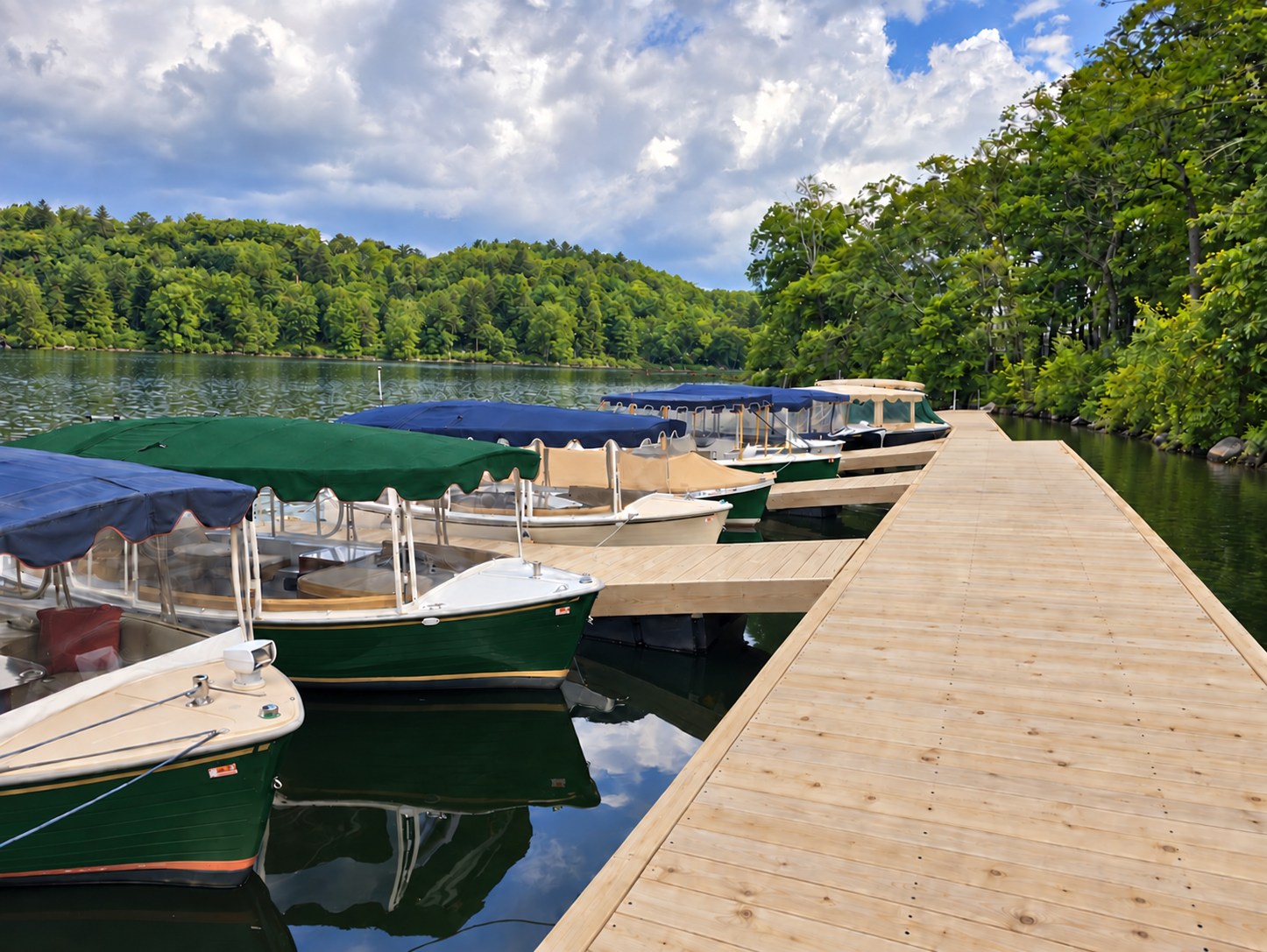
Classic electric boats with dark green hulls and a green bimini beside a timber dock and wooded shoreline

Vintage Electric Boat Service and Repair Electric Repower new and used, 5hp to 20hp Solar-charging bimini design and installation

We repair vintage electric boats, rebuild Ray outboards and Duffy systems, and convert suitable boats to electric propulsion from 5 hp to 20 hp. We work on the motor, controller, throttle, battery, charging system, and wiring.

Controller programmingThrottle, torque, and current
Electric repowers5 hp to 20 hp propulsion
Charging systemsShore power, batteries, and solar

Marine electrical service

Diagnose the system before replacing parts

Older electric boats often contain several generations of wiring, controllers, chargers, and controls. We identify what is installed, test the system under load, and determine which parts can be repaired.

For a repower, we match the motor, controller, battery, wiring, charger, and propeller to the boat and its intended use.

What we work on

Repair and installation from throttle to propeller

Component repair and complete propulsion upgrades for vintage electric boats and boats being converted to electric power.

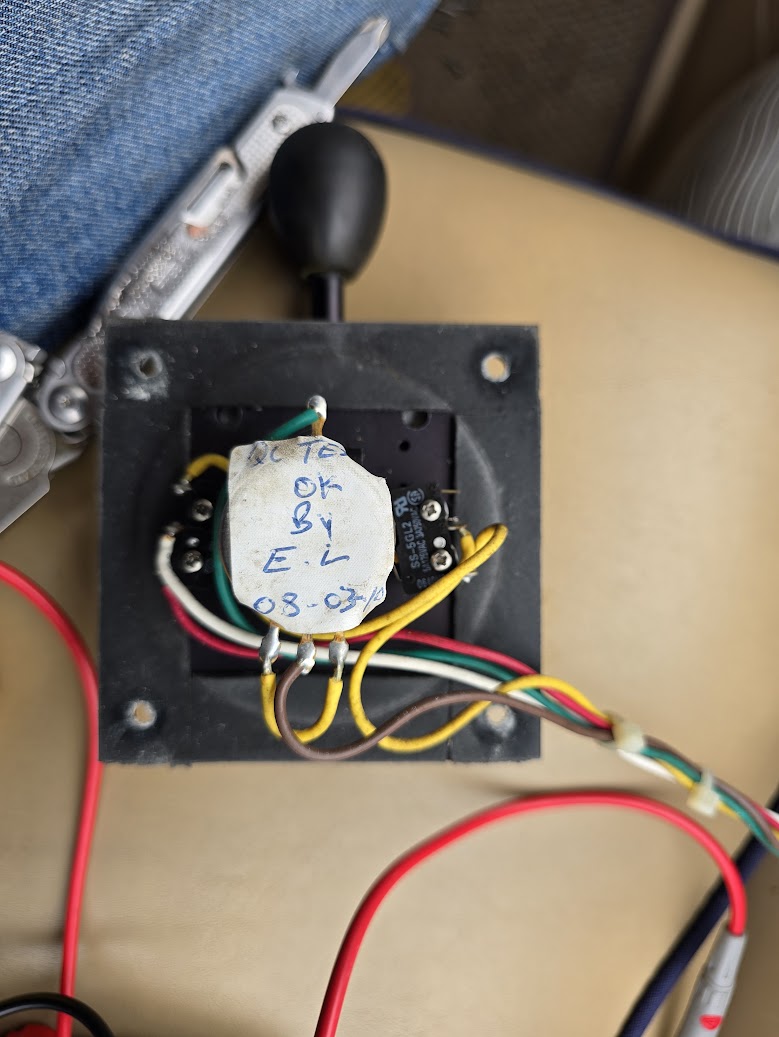
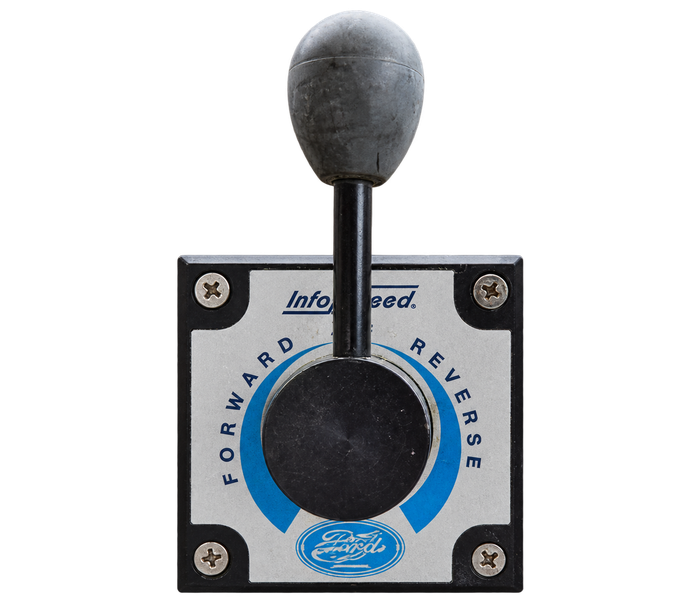
Rear of a vintage wig-wag throttle showing its switches and wiring Front of a vintage forward and reverse wig-wag throttle 02

Wig-wag throttle rebuilding

Rebuilding worn mechanical and electrical throttle assemblies to restore smooth, predictable forward and reverse control.

Throttle service
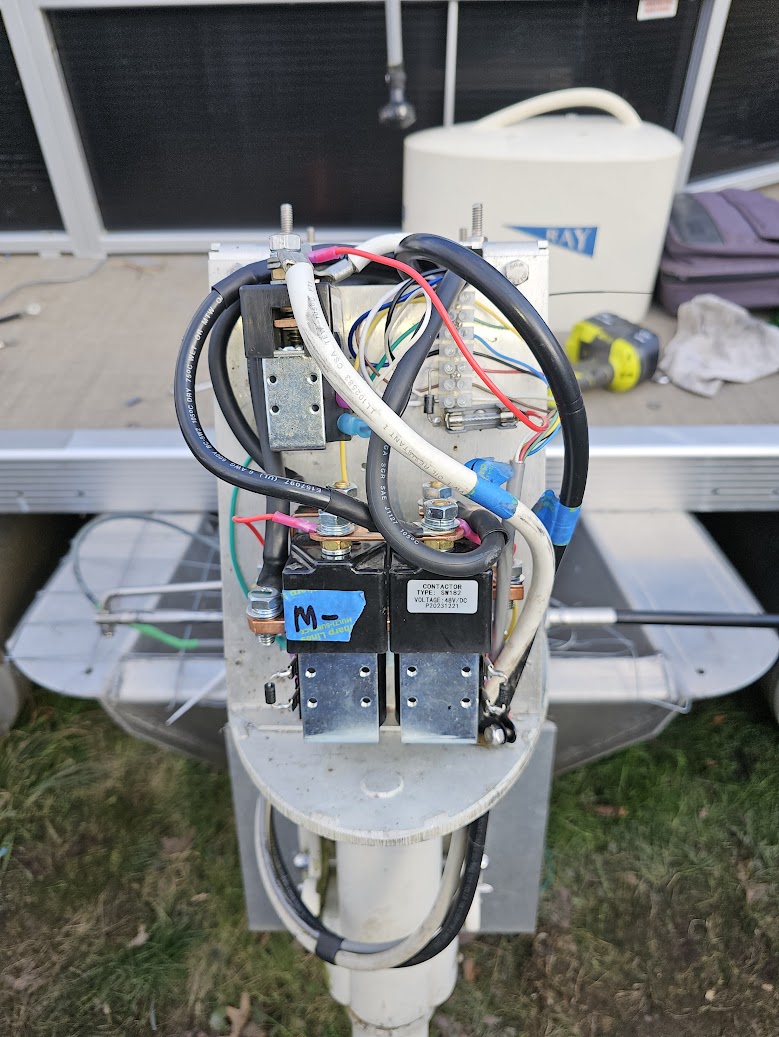
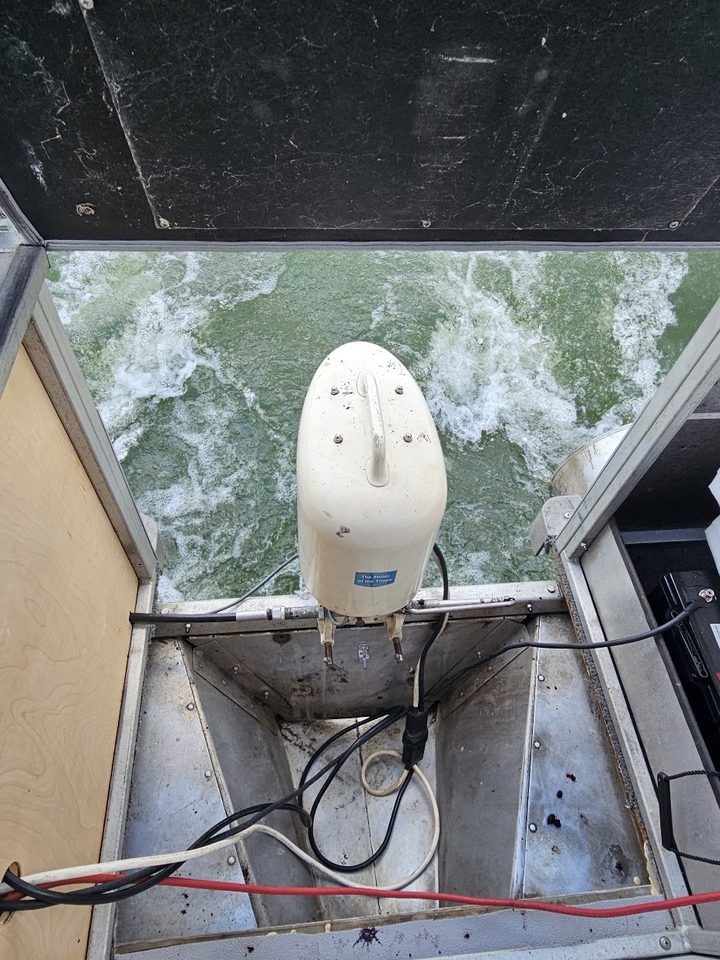
Ray electric outboard opened for motor and electrical repair Ray electric outboard installed and operating on a pontoon boat 03

Ray outboard rebuilding

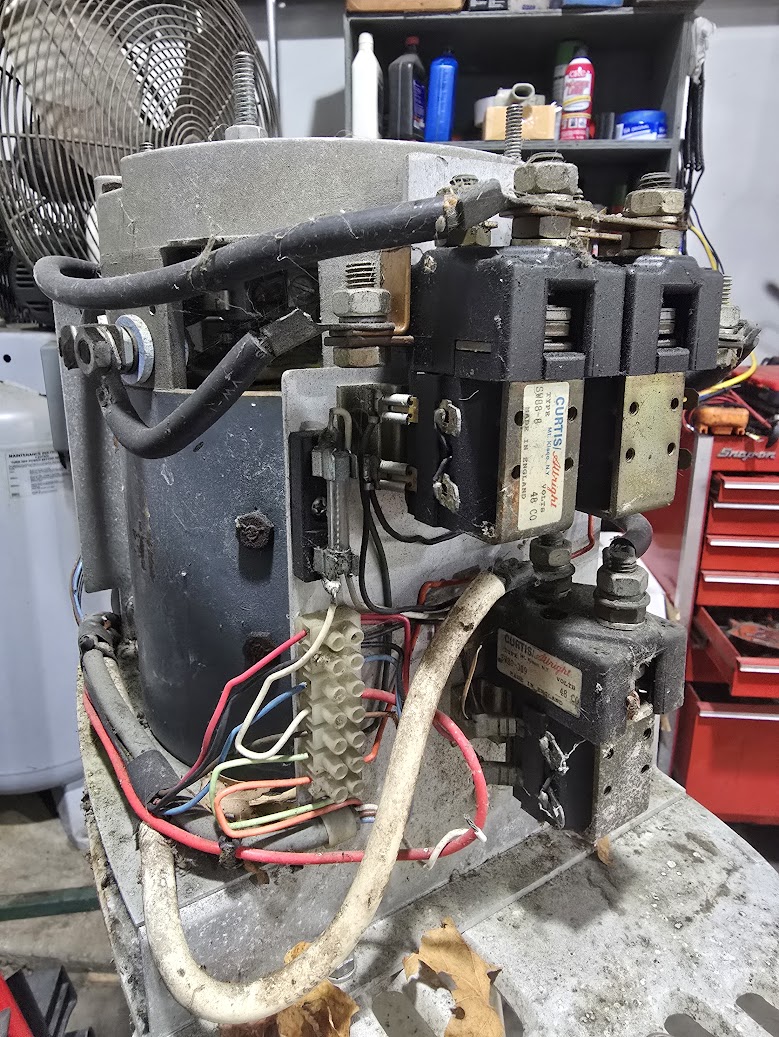
We diagnose and rebuild Ray electric outboards, including motors, contactors, controllers, wiring, connectors, and throttle circuits.

Outboard repair
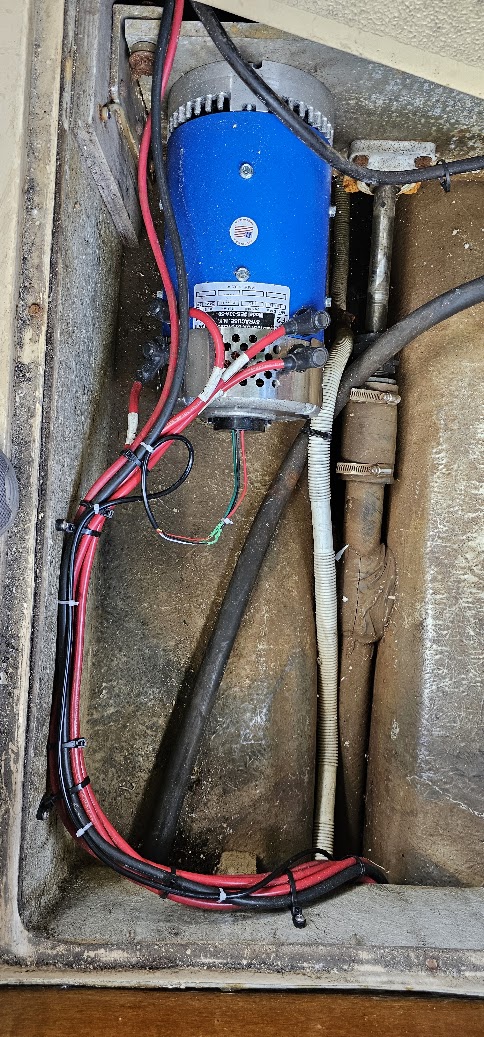
DC permanent magnet motor installed in a Duffy boat 04

Inboard motors and controls

Testing, repair, replacement, and controller integration for BLDC, permanent magnet DC, SepEx, and shunt motor systems.

Motor systems
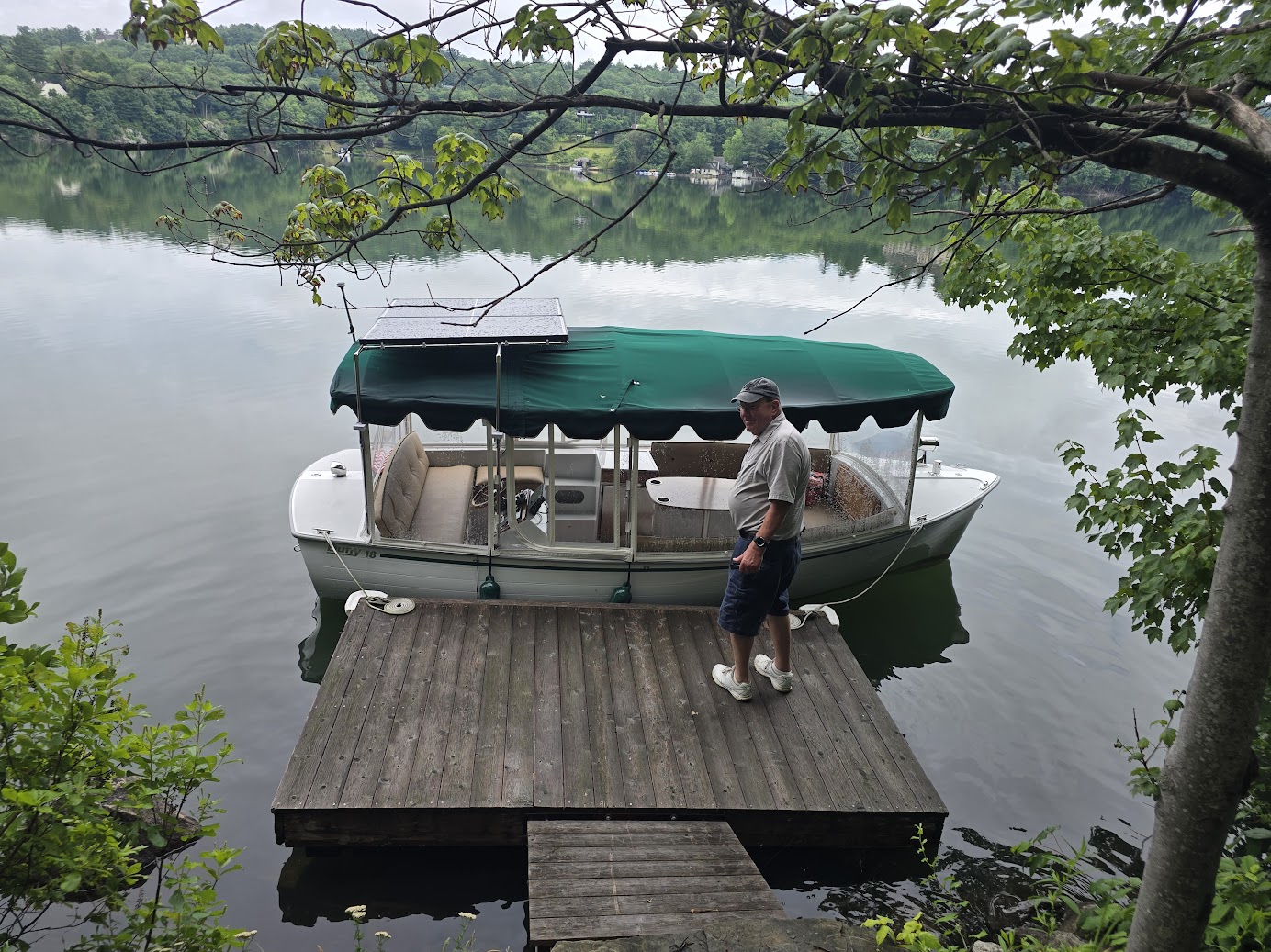
Electric Duffy boat with solar panels mounted above the canopy 05

Solar charging

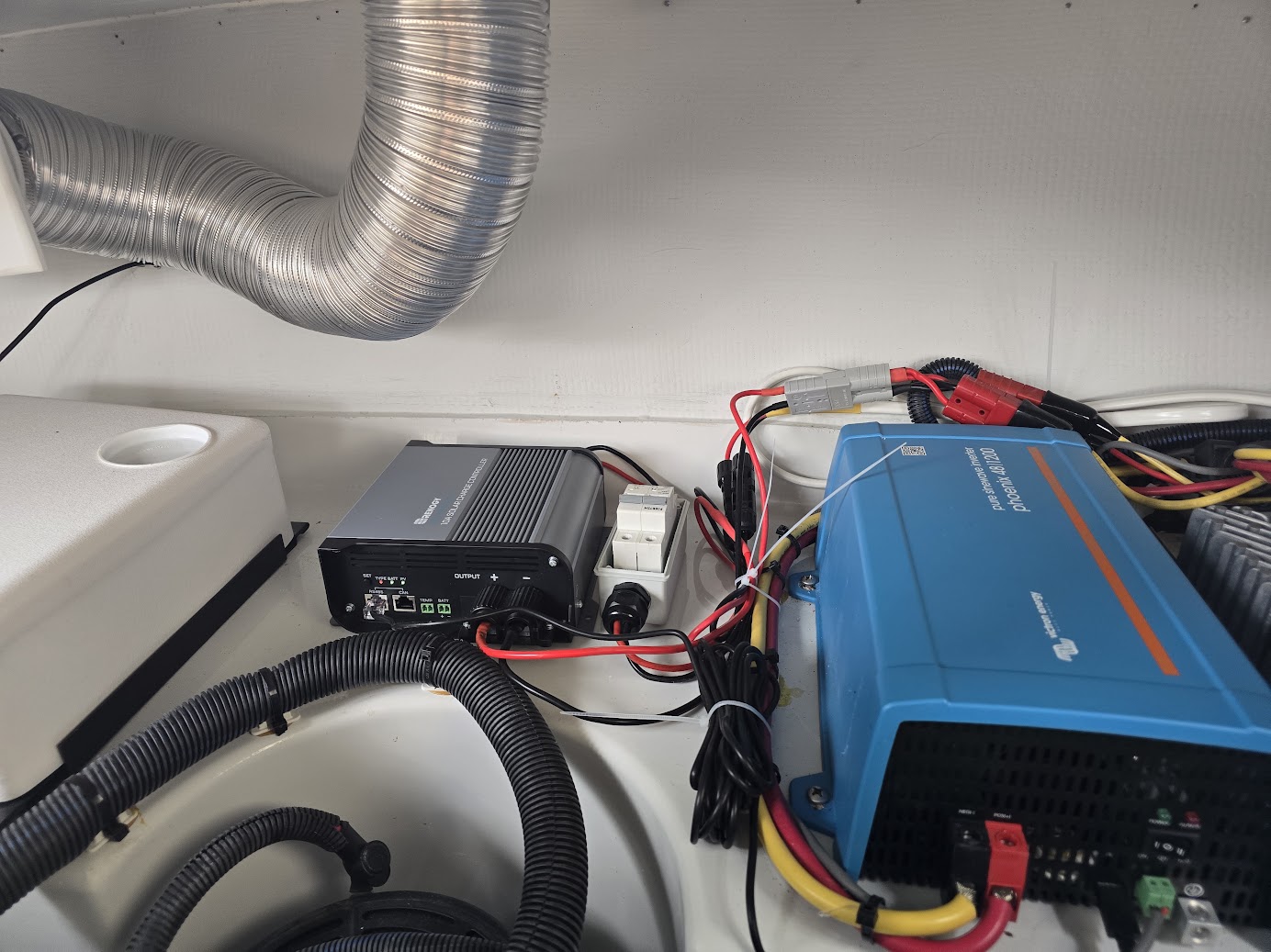
Custom solar panel mounts, charge controllers, and dock-independent charging systems designed around the boat and its battery bank.

Off-grid charging
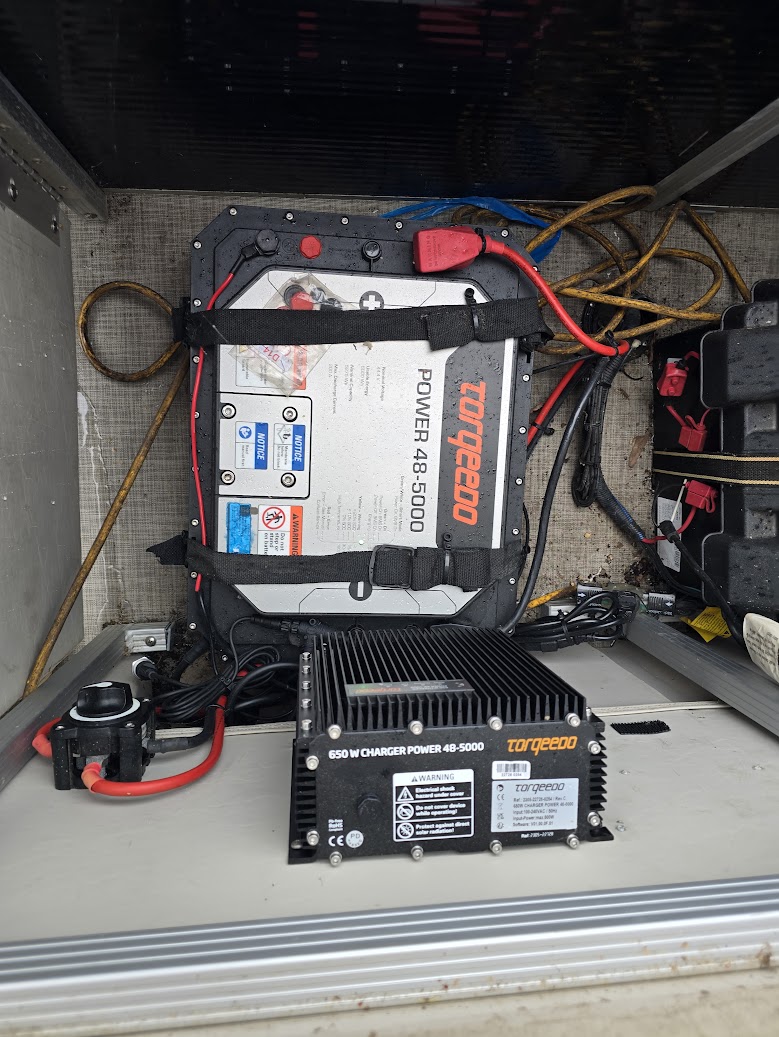
Torqeedo battery and charger installation 06

Electric repowering, 5 hp to 20 hp

We convert suitable boats to electric propulsion and replace obsolete electric drives. Options include battery systems, ePropulsion and Torqeedo outboards, and custom inboard systems.

Conversion and propulsion
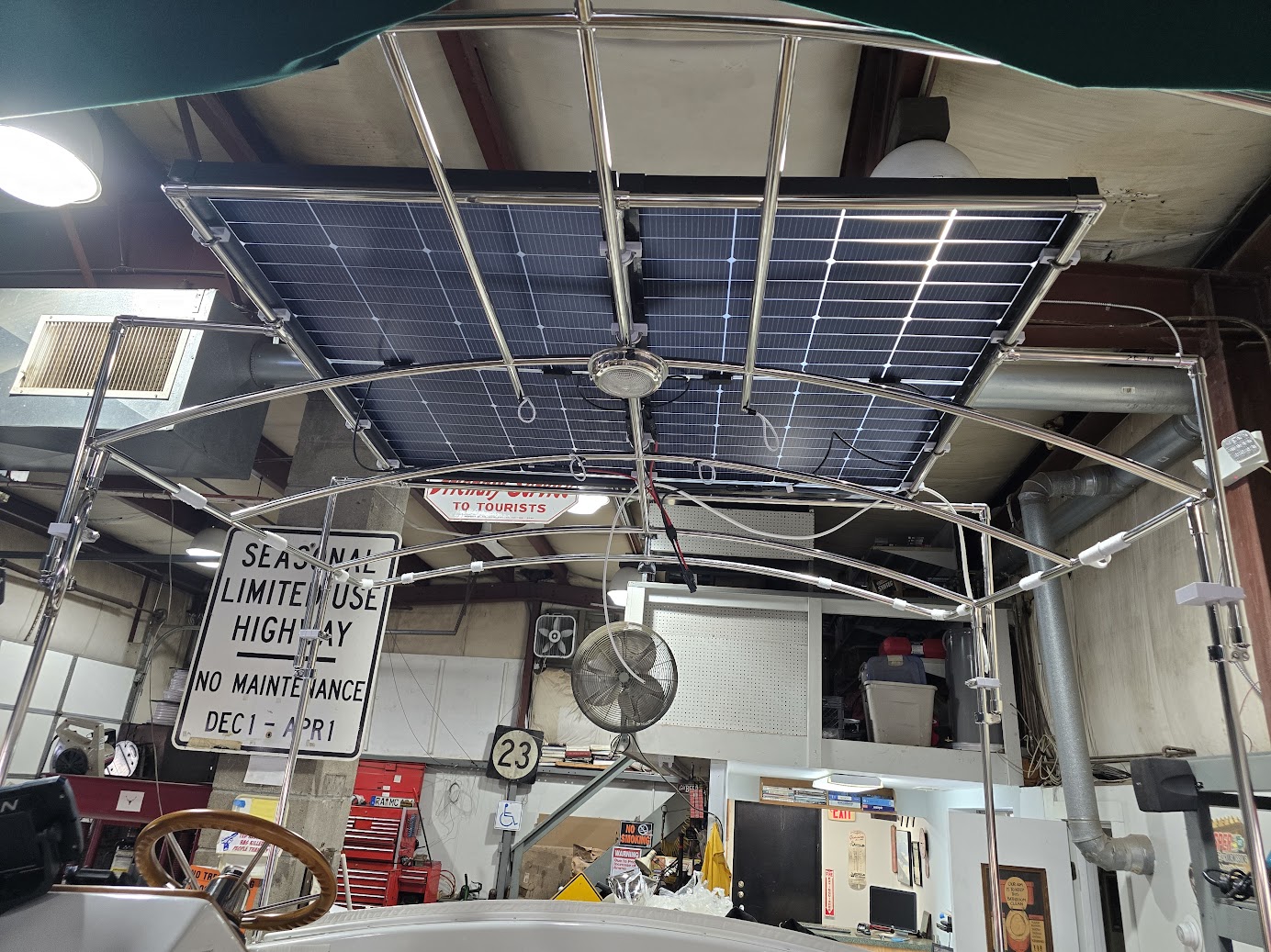
Custom stainless solar panel mounting structure beneath a boat canopy
Vintage Duffy boat with the completed solar array floating beside a dock
Completed boat on the water

Featured project

Solar charging for a vintage electric cruiser

This project combined a custom stainless solar structure, roof-mounted panels, charge management, and onboard wiring sized for the boat's battery system and operating schedule.

  • 01 Mounting designed around the existing canopy
  • 02 Charging sized for the boat's actual use
  • 03 Electrical components installed for service access
Explore more project details

Motor and controller systems

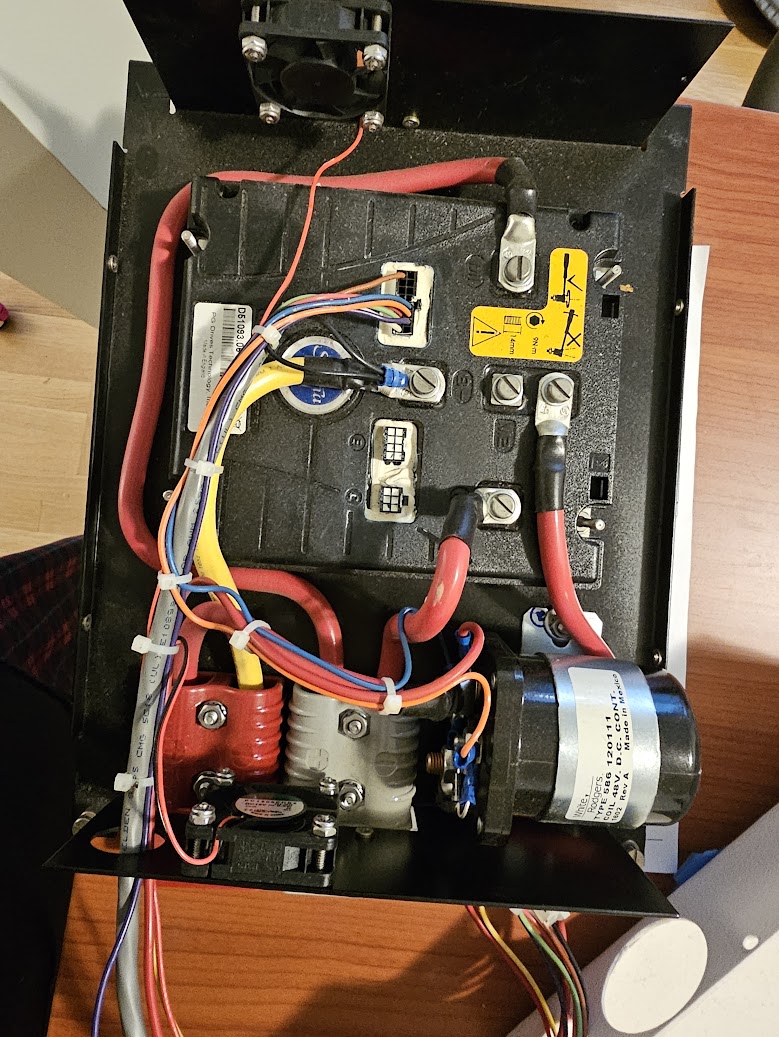
Electric boat motor controllers

We match the controller to the motor winding, battery voltage, throttle, direction hardware, and current needed to turn the propeller.

01

BLDC

Brushless DC motors with electronic commutation, phase wiring, and position or speed feedback matched to the controller.

02

Permanent magnet

Brushed PM DC motors with armature current control, direction switching, brush inspection, and thermal checks.

03

SepEx

Separately excited motors with armature and field current programmed for the required torque and speed range.

04

Shunt

Shunt-wound DC systems tested for armature, field, contactor, and controller operation under marine load.

05

Series

Series-wound DC motors with armature and field in one current path, matched to the controller and external forward/reverse contactor.

Controller programming

Boats are not golf carts

Golf cart controllers are often adapted to older electric boats because the motor types and battery voltages overlap, and many Curtis, Alltrax, and Kelly units can be programmed. A cart accelerates and stops; a boat may hold its throttle against a propeller load for hours. The helm also needs dependable neutral and reverse control.

We check the motor winding, voltage, continuous current rating, throttle signal, and direction method. Then we fit the wiring, fuse, contactor or solid-state reverse control, and cooling to the boat before testing under sustained load on the water.

  • Throttle and directionMatch the input type, measure neutral and endpoints, set deadband, and verify forward/reverse interlocks
  • Motor and battery limitsSet motor and battery current, torque, speed, low-voltage protection, and thermal limits for the installed system
  • On-water responseTune low-speed control, acceleration and deceleration ramps, reverse speed, and sustained-load behavior
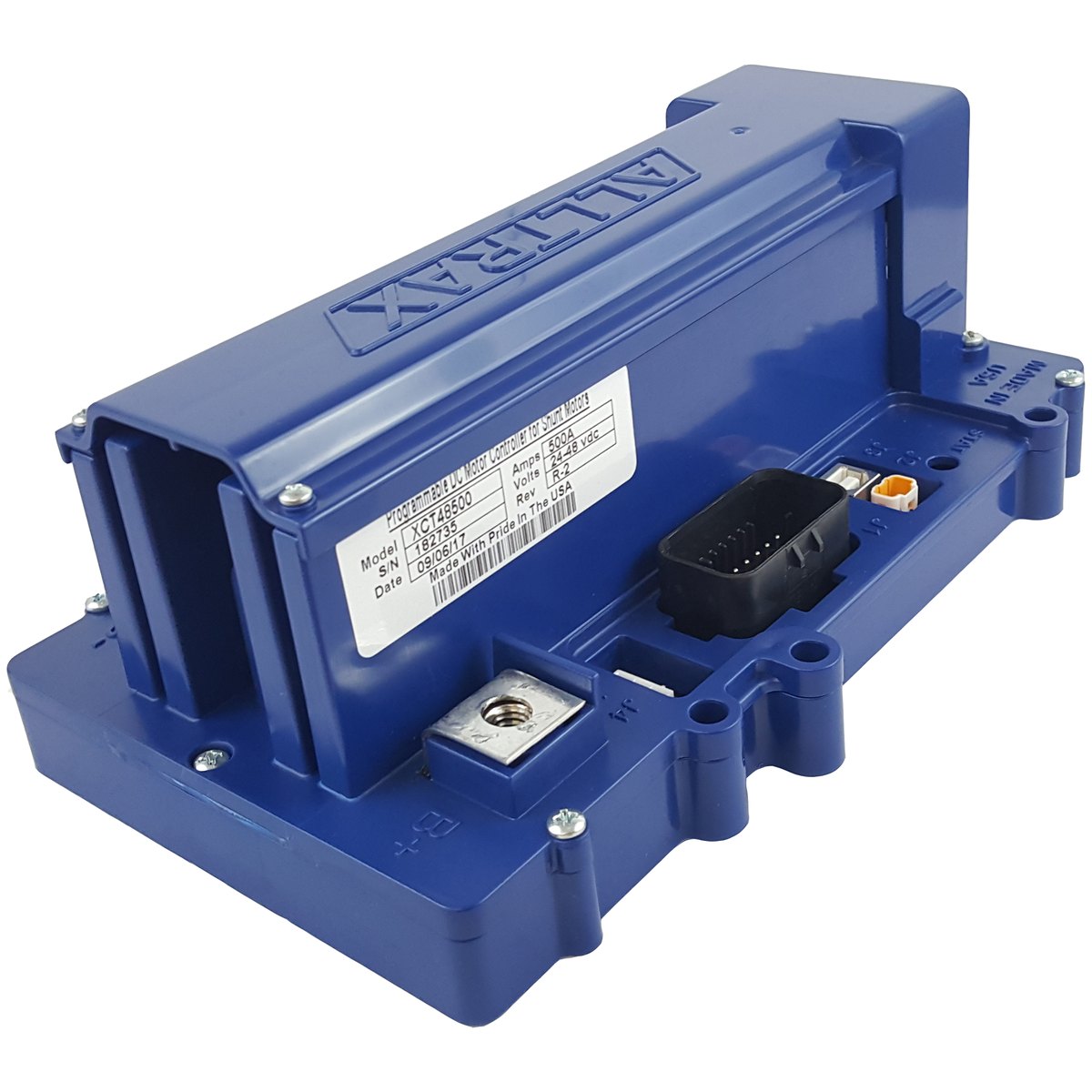
Blue Alltrax XCT motor controller
Alltrax XCTSeparately excited (shunt-wound) motor with solid-state forward/reverse control
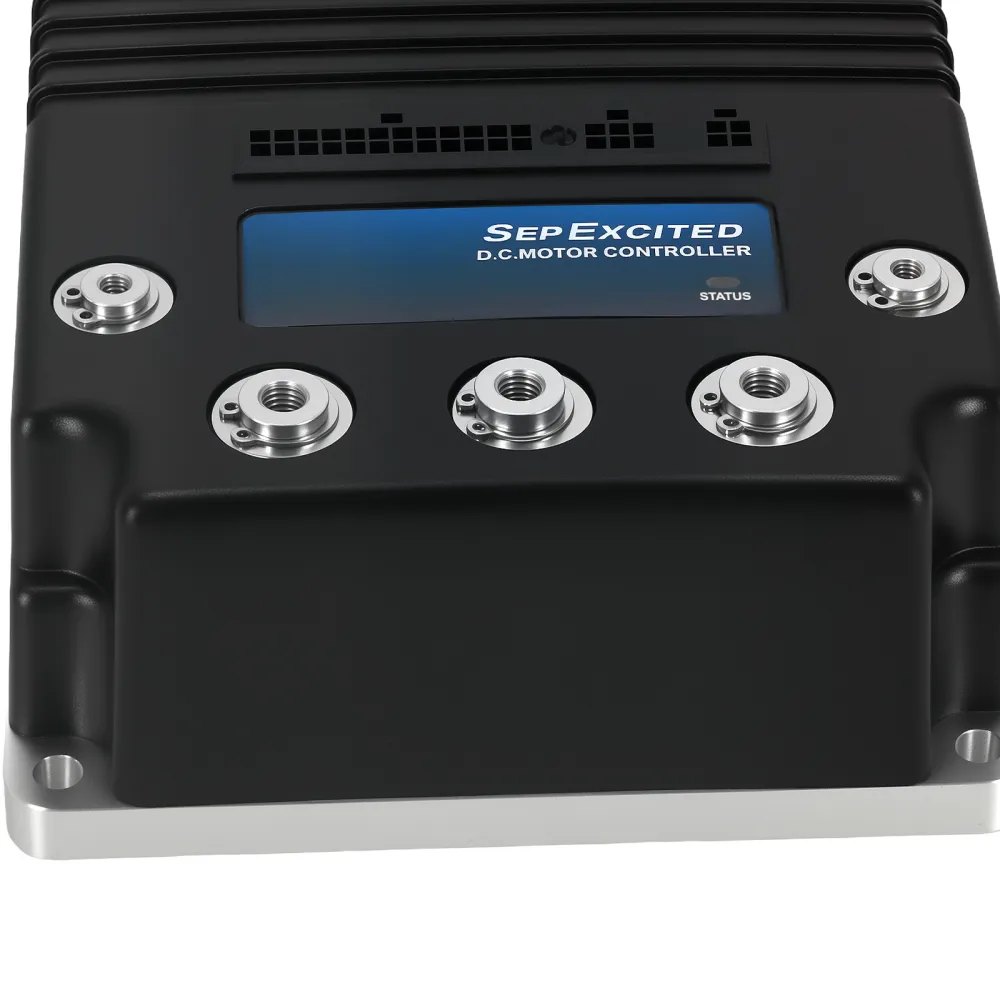
Curtis SepEx and shunt motor controller
Curtis SepEx / ShuntExternal forward/reverse contactor
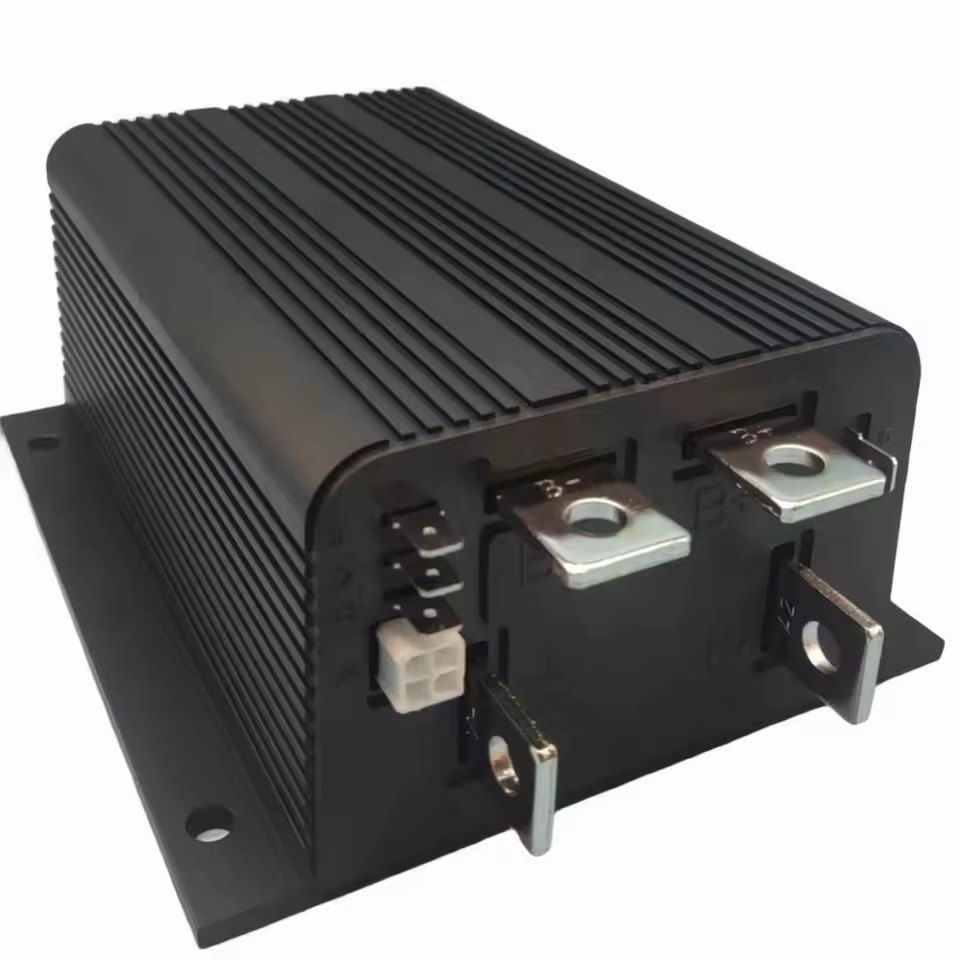
Black Curtis series motor controller
Curtis SeriesSeries motor controller with external forward/reverse contactor
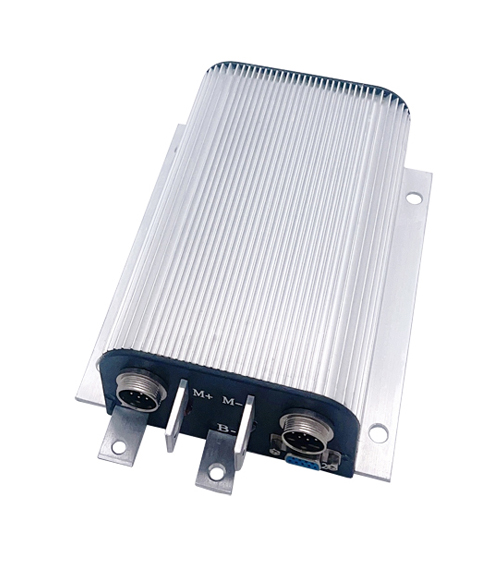
Silver Kelly permanent magnet motor controller
Kelly Motor ControllerPermanent magnet motor with solid-state forward/reverse control

Helm throttle signals

Throttle types we match

A helm lever may send resistance or voltage. We measure its neutral and full-travel signals, then configure the controller and direction hardware to match.

20k-ohm center-tap wig-wag

A 5k-0-5k ohm sweep across lever travel, with separate forward/reverse switches for an external F/R contactor. We verify the neutral reading and each end of travel before programming.

0-5k or 5k-0 ohm

Two-wire resistive and three-wire potentiometer throttles use rising or falling resistance for speed. Direction may use a separate switch and contactor.

0-5V analog

Three-wire potentiometer and Hall-effect throttles send a voltage signal. Some Hall throttles use a narrower range, such as 1-4V, so the endpoints and fault limits must match the sensor.

0-5V center-neutral wig-wag

About 2.5V is neutral, with a programmed deadband. Voltage on either side requests forward or reverse when the controller supports electronic direction control.

Other controller-dependent inputs include 0-1k ohm resistance, inductive ITS, and digital or CAN throttles.

Custom fabrication

3D-printed parts and custom electronics

When an original part is unavailable or an installation needs a specific fit, we can measure, design, prototype, print, wire, and test a solution in the shop.

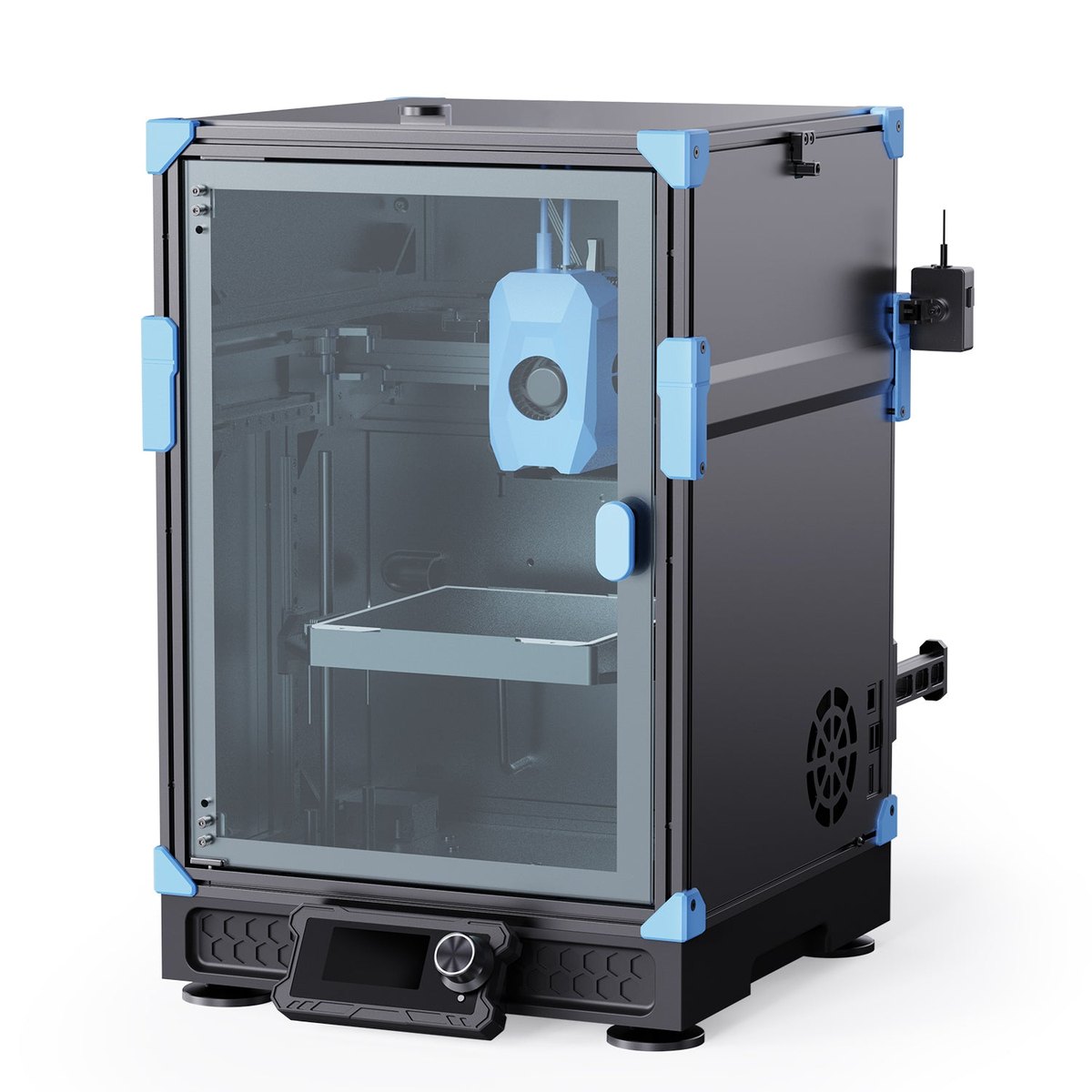
Enclosed Sovol Zero CoreXY 3D printer
Sovol ZeroIn-shop prototyping and short-run parts
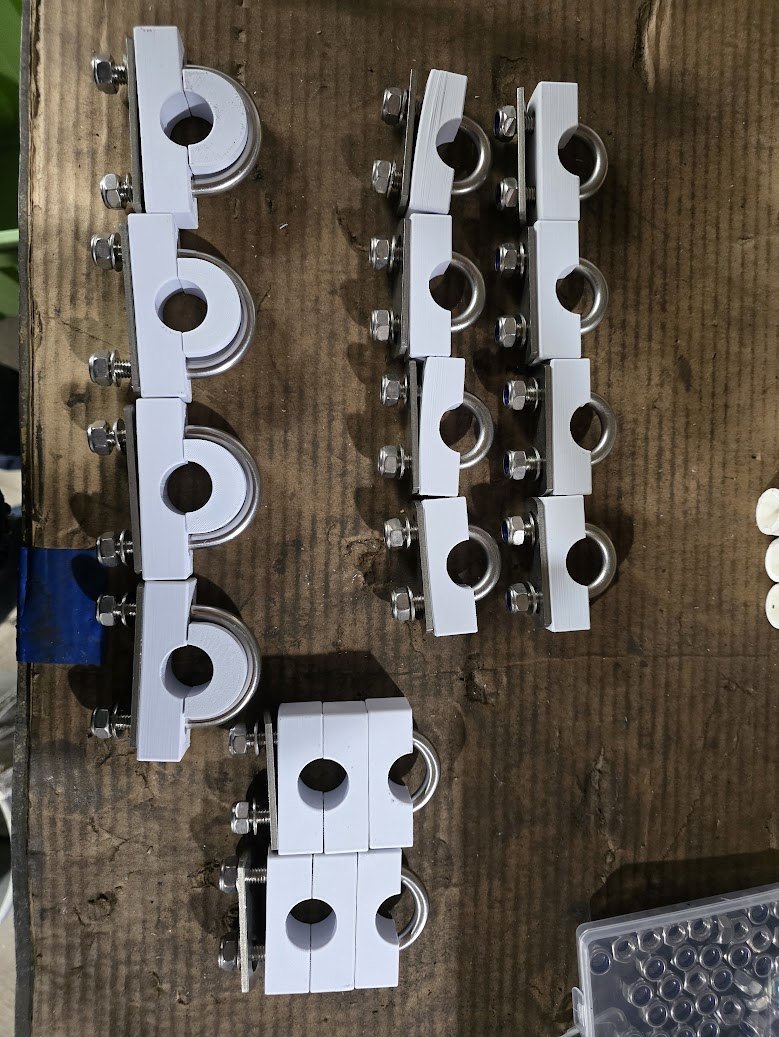
Batch of white 3D-printed split clamps fitted with stainless U-bolts
Printed clamp setRepeatable geometry for stainless mounting hardware
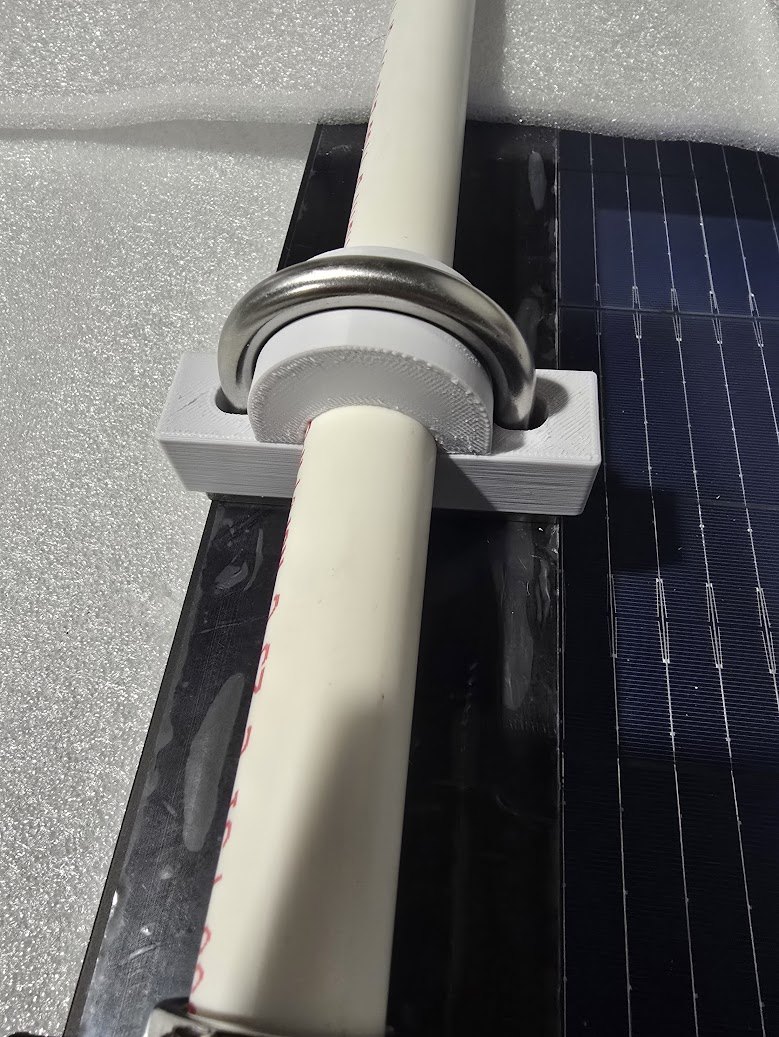
White 3D-printed clamp installed around tubing on a solar-panel assembly
Installed partCustom fit at the solar-panel tubing
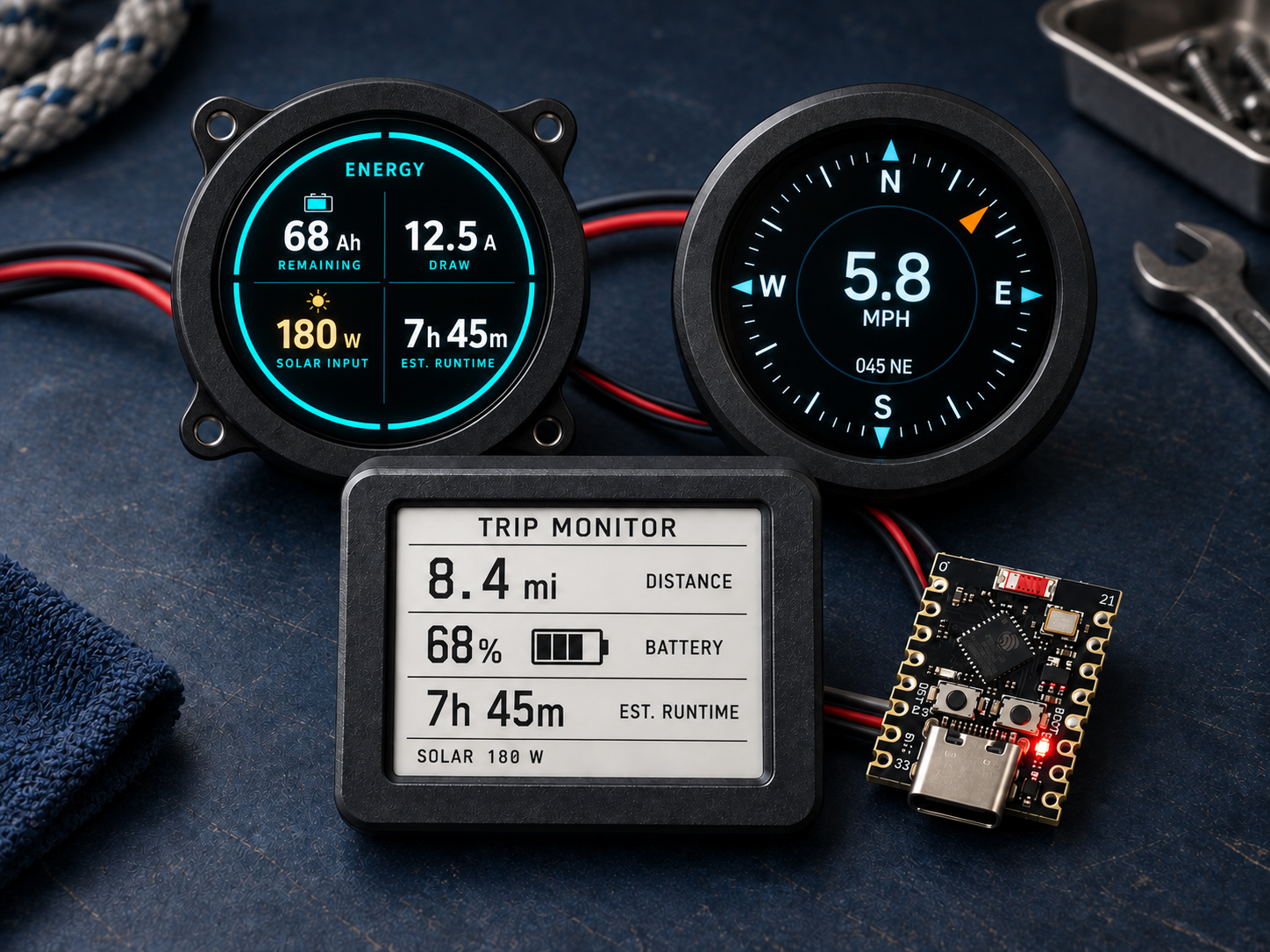
ESP32 display concepts with Ah remaining, current draw, solar input, estimated runtime, compass and MPH, and an e-paper trip monitor
  • Battery, solar, and estimated runtime displays
  • Compass and MPH gauges, plus e-paper trip monitors
  • Throttle interfaces and harness adapters
  • Custom enclosures, mounts, and sensor integration

Electronics and interfaces

Custom displays and boat electronics

See battery capacity remaining in Ah, current draw, solar input, and estimated runtime at a glance. We build and modify low-voltage control electronics and interfaces for existing boat systems, with custom display concepts built around the information you need at the helm.

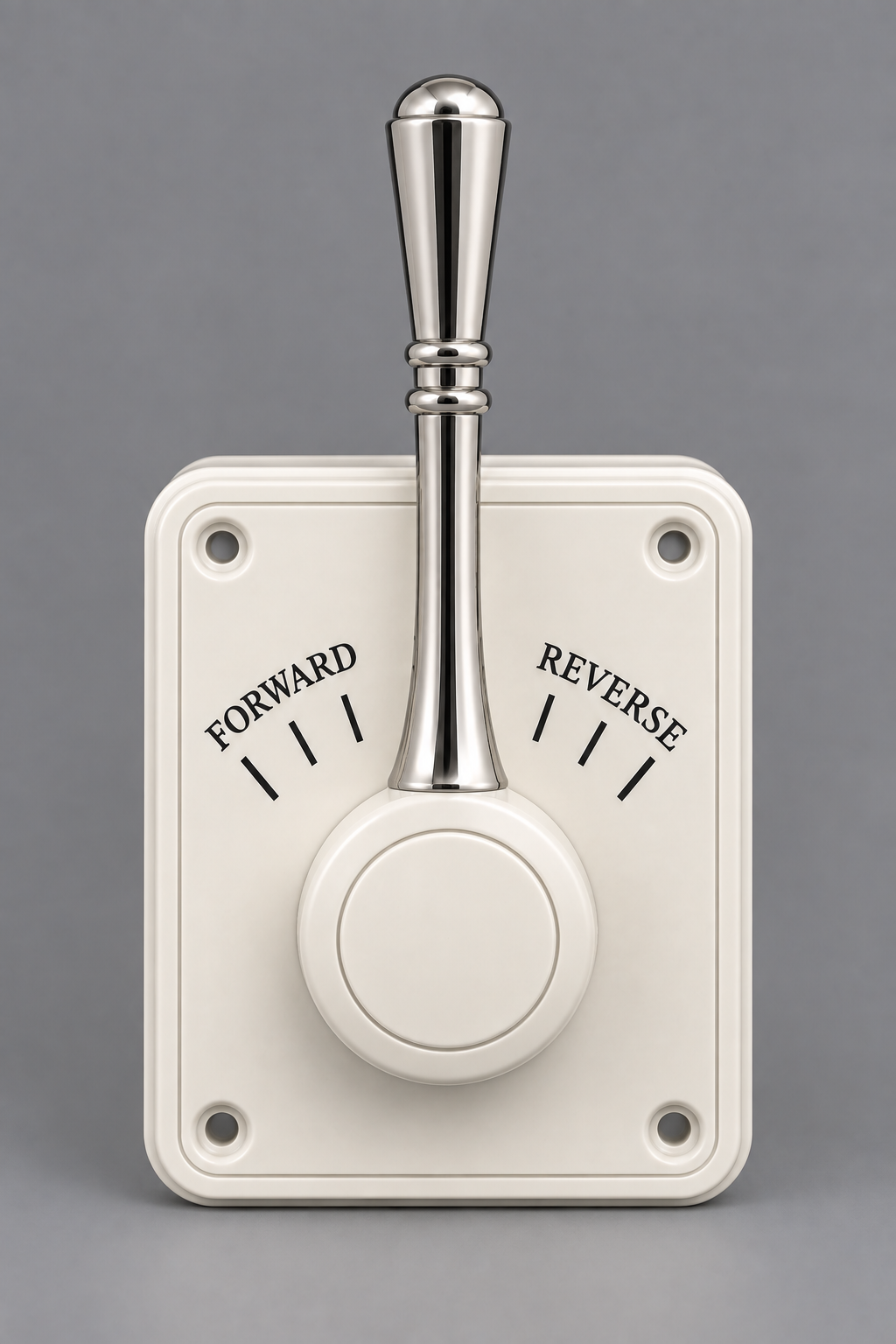
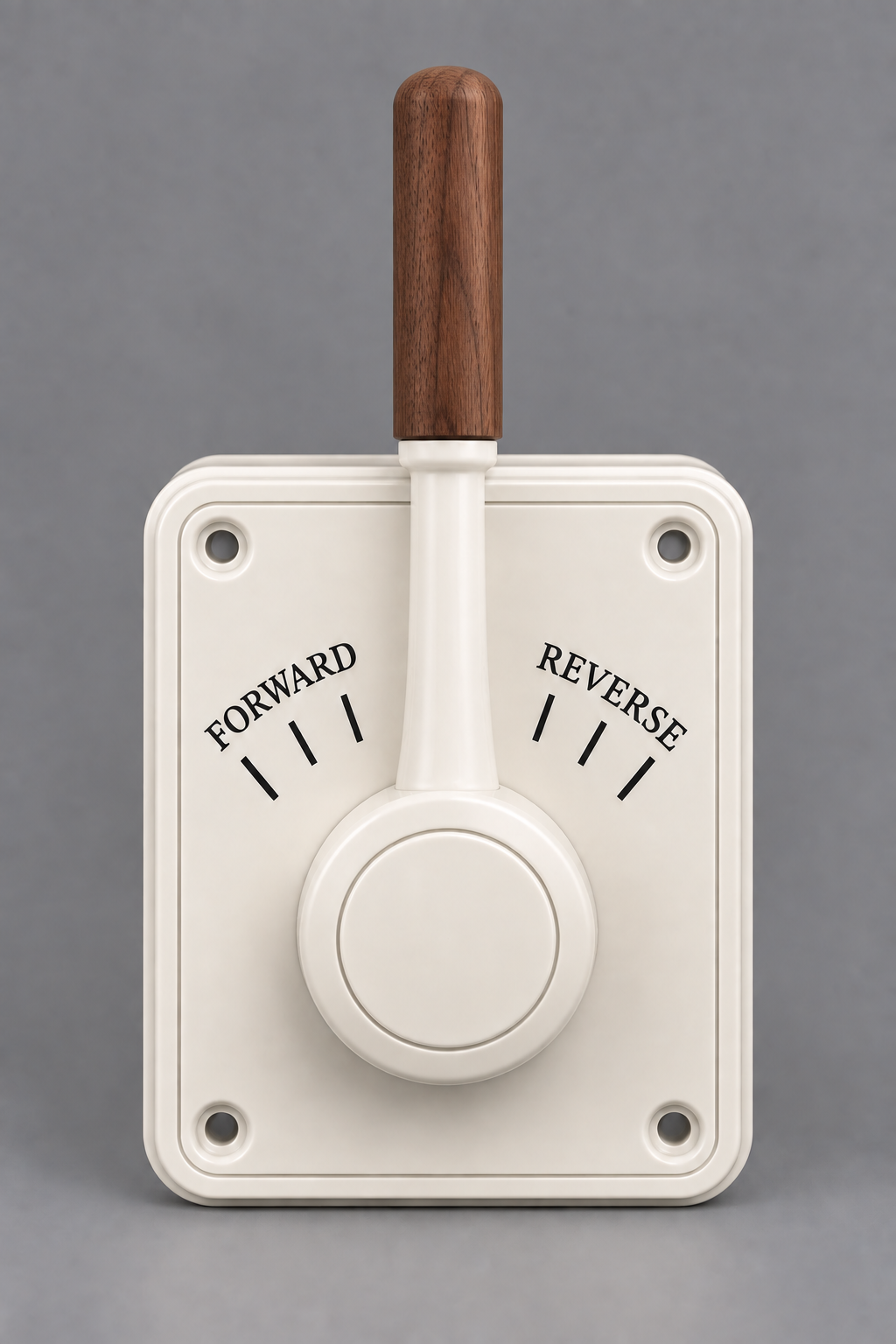
Electronic Forward Reverse Throttle

Retro wig-wag throttle with a white faceplate and one straight centered chrome lever
Chrome
Retro wig-wag throttle with a white faceplate and one centered lever with a walnut grip
Wood

Service area

Boat service within about one hour of Greenwood Lake

Our service area includes nearby electric-only lakes, larger recreational lakes, and the Hudson River.

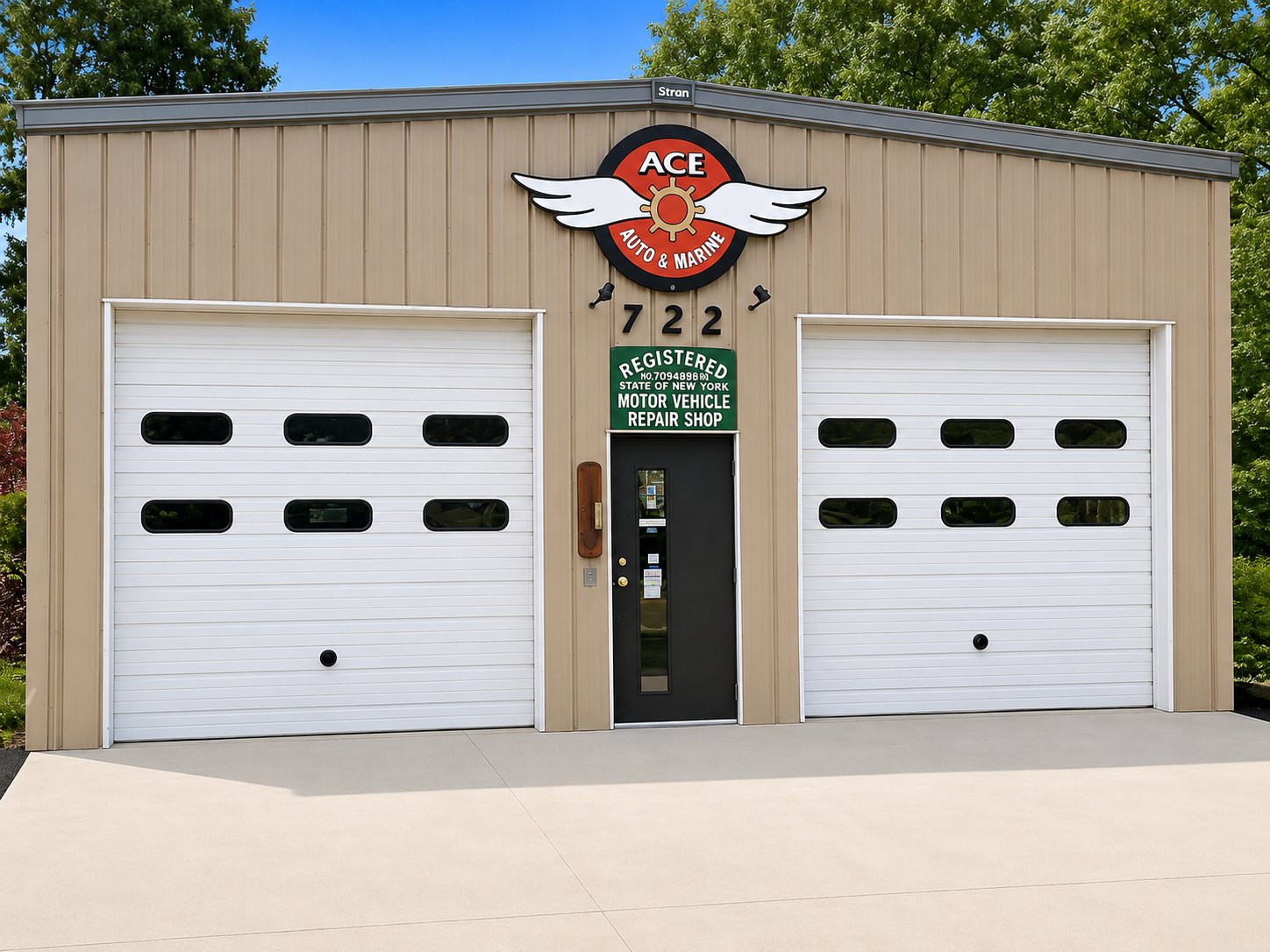
ACE Auto and Marine repair shop

Operating base

Our home base is ACE Auto and Marine

The shop is at 722 Jersey Ave in Greenwood Lake. We work on boats within about an hour of the shop, including Tuxedo Lake, Highland Lakes, Upper Greenwood Lake, the Harriman lakes, Lake Hopatcong, Lake Mohawk, and the Hudson River from Peekskill to Newburgh.

Electric-powered boats are the rule at Tuxedo Park and Highland Lakes. Harriman and Sterling Forest prohibit gas engines and require park permits. Check current lake, registration, permit, and launch rules before boating.

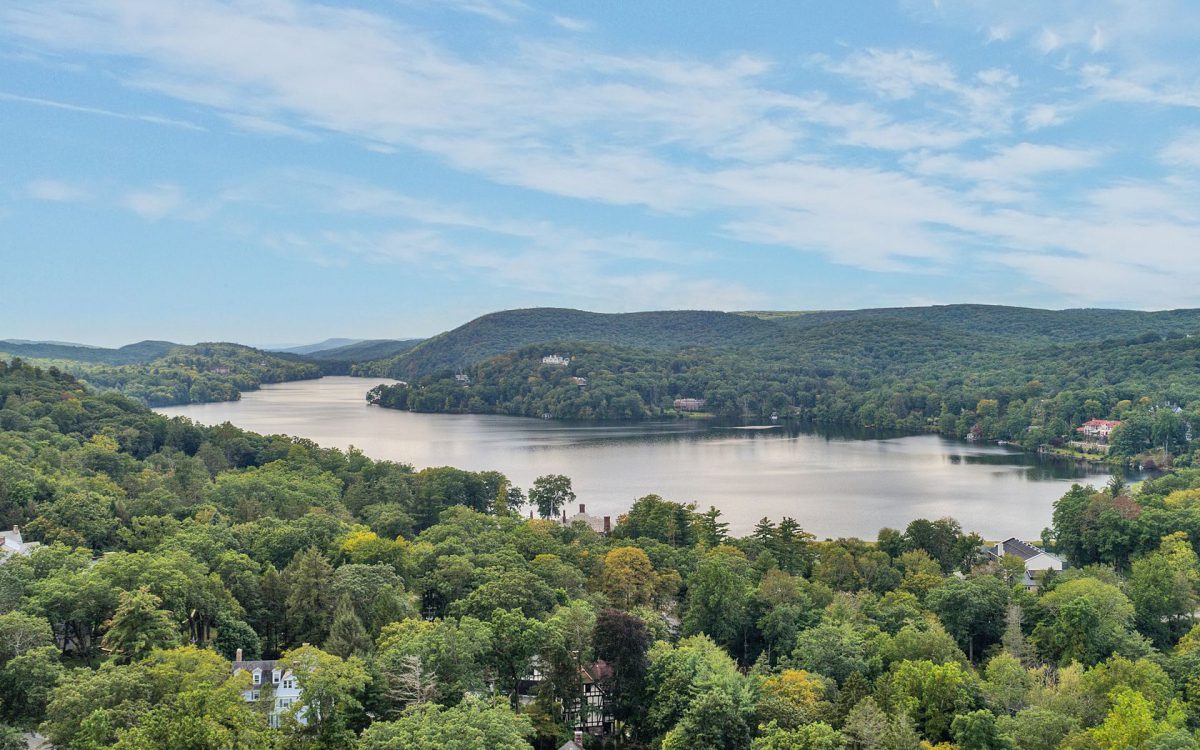
Panoramic summer view of Tuxedo Lake surrounded by wooded hills and homes
Tuxedo Lake in summer

Tuxedo Park, New York

Tuxedo Lake

Pierre Lorillard IV began developing Tuxedo Park in 1885 as a private hunting and fishing reserve in the Ramapo Mountains. Bruce Price designed its original clubhouse, built in 1886. The men's dinner jacket known as the tuxedo later took its name from the community.

Tuxedo Lake is the largest of the village's three lakes and serves as its reservoir. That close relationship between boating and water quality makes careful electric propulsion work especially relevant here.

Historical source: Wikipedia
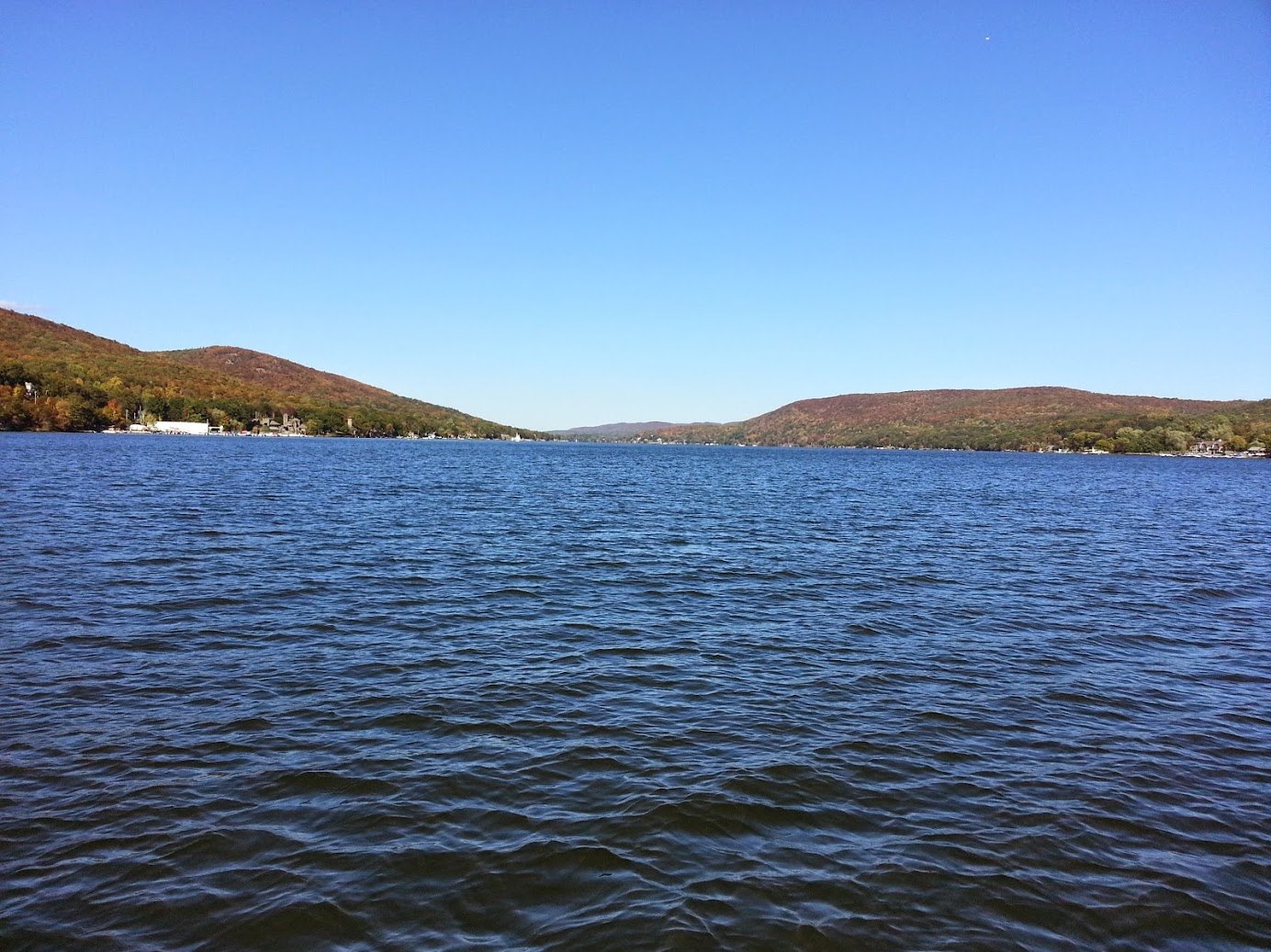
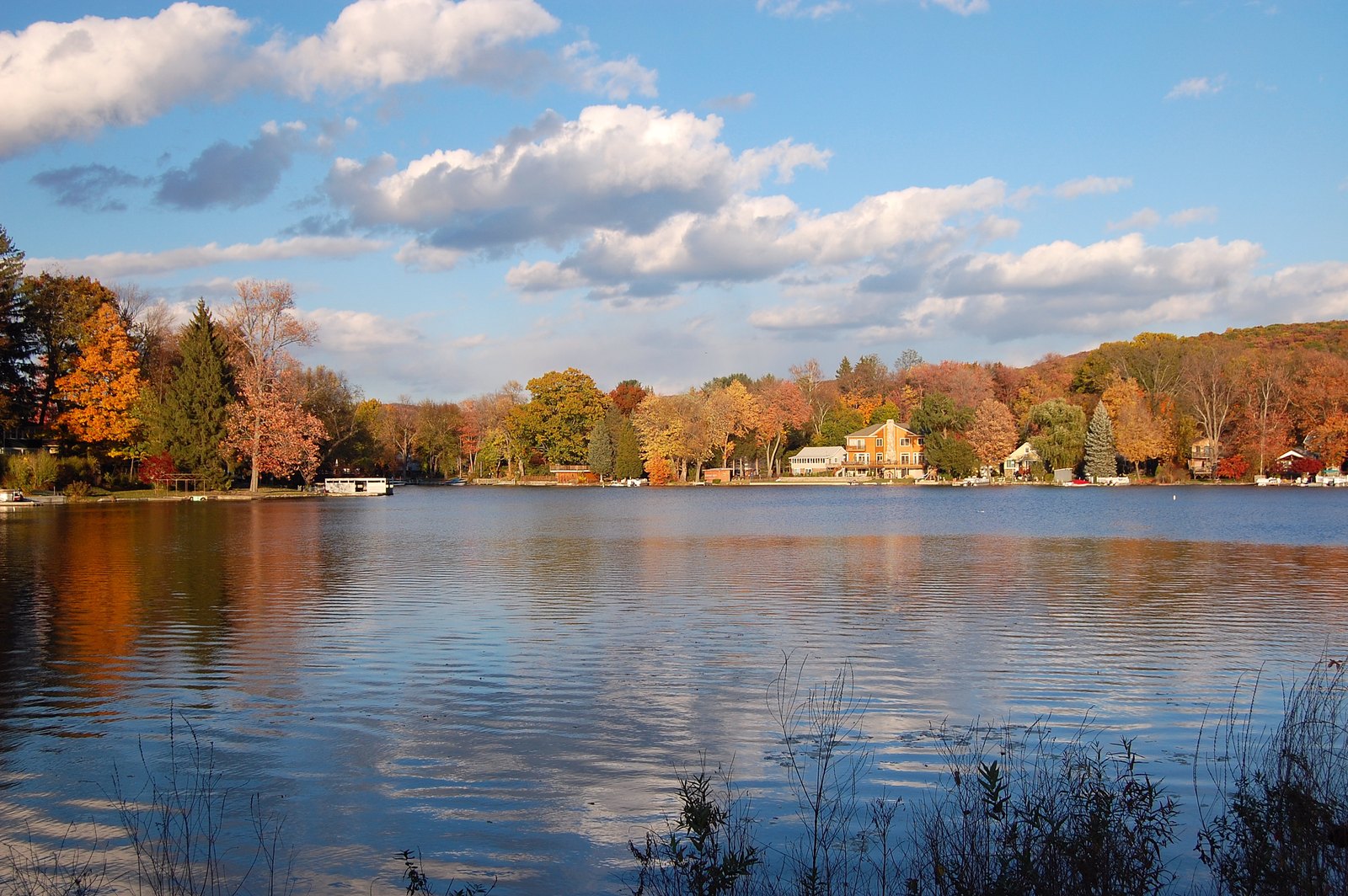
Wide view across Greenwood Lake
Greenwood Lake from the water
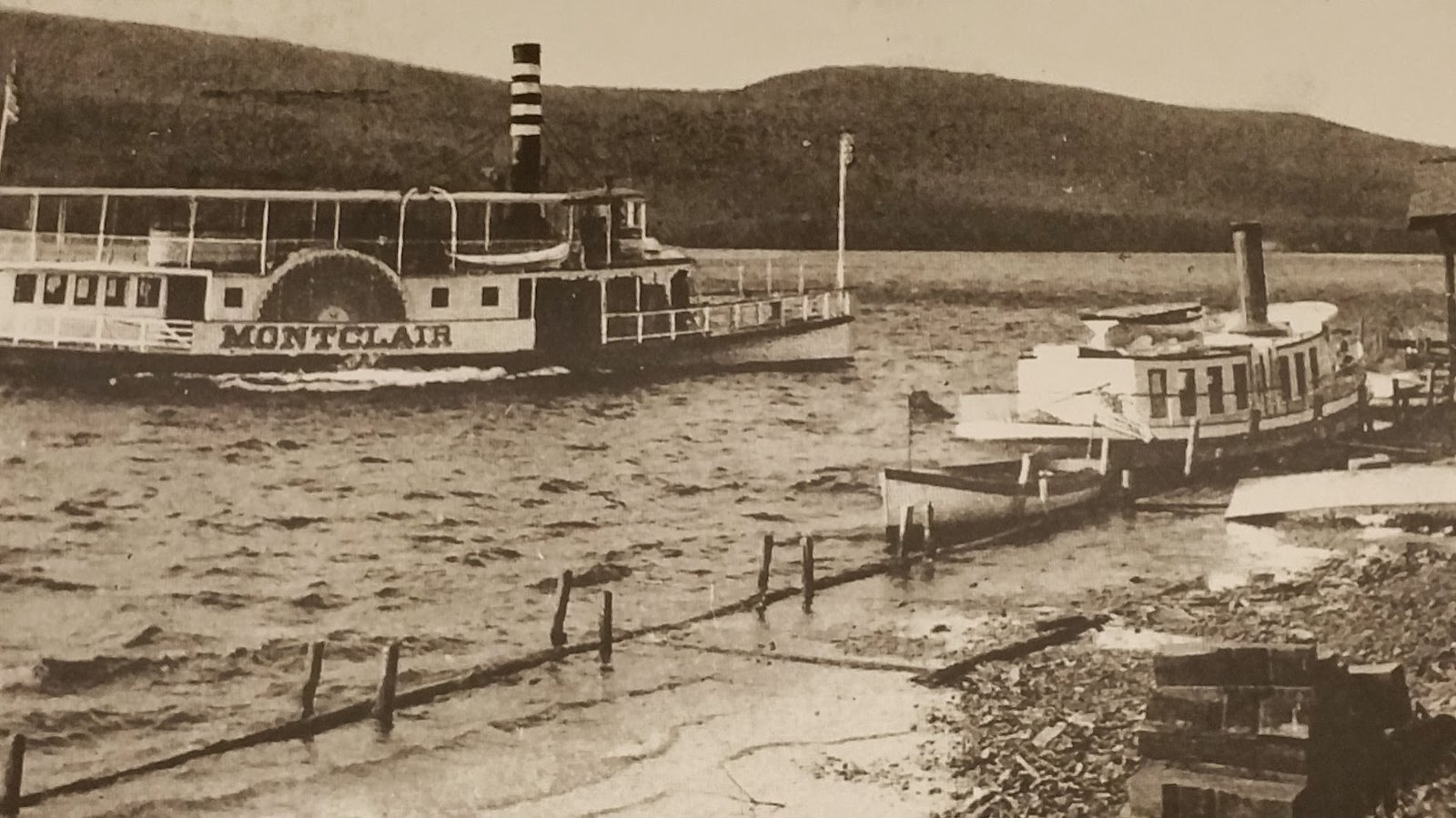
Historic side-wheel steamer Montclair on Greenwood Lake
The side-wheel steamer Montclair, built in 1876
Greenwood Lake East Arm in autumn
Luke Gordon, Wikimedia Commons, CC BY 2.0, resized

New York and New Jersey

Greenwood Lake

Greenwood Lake is about seven miles long, covers 1,920 acres, and crosses the New York-New Jersey border. The Munsee called it Quampium. Dams first expanded it for ironworks water power and, in 1837, to supply the Morris Canal.

The railway reached the lake in the 1870s, and steamboats carried passengers from trains to lakeside resorts. One was the two-deck side-wheeler Montclair, built in 1876. Hudson River School painter Jasper Francis Cropsey began painting Greenwood Lake in 1843 and returned to it for decades.

Historical source: Wikipedia

Service process

Inspect, configure, and test

01

Assess

We start with the boat, its history, symptoms, voltage, and the way you want to use it.

02

Plan

You get a clear repair or upgrade path based on compatibility, serviceability, and value.

03

Build

Components are repaired or installed with careful wiring, mounting, and system integration.

04

Verify

Controls, charging, and propulsion are checked together before the project is considered complete.

Project information

Tell us what is installed and what it is doing

Build a short project brief with the boat, voltage, motor, controller, symptoms, and the result you need.

Helpful to have

Boat make and year, system voltage, motor or controller model, symptoms, location, and a few clear photos.

Your information stays in this browser. Nothing is sent or stored by this page.